By Jon Timbal
October 28, 2026
Energy-efficient buildings are increasingly important as property owners seek to lower operating costs, reduce emissions, and improve indoor comfort. Geothermal energy offers a practical solution by using stable underground temperatures to heat and cool buildings efficiently. However, successful implementation requires careful planning, specialized equipment, and professional expertise. Experienced geothermal system installation companies help building owners evaluate site conditions, design suitable systems, and ensure reliable operation. From initial feasibility studies to long-term performance monitoring, their work helps maximize energy savings, support sustainability goals, and improve building performance over time.
Understand the Benefits of Geothermal Systems
Geothermal heat pumps transfer heat between buildings and the ground, providing efficient heating and cooling throughout the year. Because underground temperatures remain relatively stable compared with outdoor air temperatures, these systems can use less electricity than conventional heating and cooling equipment.
According to the U.S. Department of Energy, a 420,000-square-foot Colorado State University complex using a ground-source heat pump solution achieved 52% annual energy savings and a 94% reduction in annual emissions.
These results demonstrate the potential of geothermal technology to reduce energy consumption and environmental impact. Although installation costs can be higher initially, lower utility bills and long equipment lifespans may improve long-term financial returns.
Evaluate Site Conditions and Project Feasibility
Before installation begins, professionals assess whether a property can accommodate a geothermal system. Evaluations consider soil composition, geological conditions, available land, groundwater considerations, and the building's heating and cooling requirements.
Thermal conductivity testing may help determine how effectively the ground transfers heat, informing the design and size of the underground loop. Installers also review local permitting requirements and environmental regulations to identify potential obstacles early.
A thorough feasibility study helps property owners understand expected installation expenses, operating costs, potential savings, and available incentives. This preparation supports informed decisions and reduces the risk of costly design changes during construction.
Design Systems Around Building Requirements
Every building has unique energy demands, occupancy patterns, and infrastructure limitations. Geothermal system installation companies work with architects, engineers, and property owners to develop designs suited to these requirements.
Depending on site conditions, a project may use a horizontal or vertical closed-loop configuration or an appropriate open-loop system. The final choice depends on available space, geology, water resources, regulations, and performance goals.
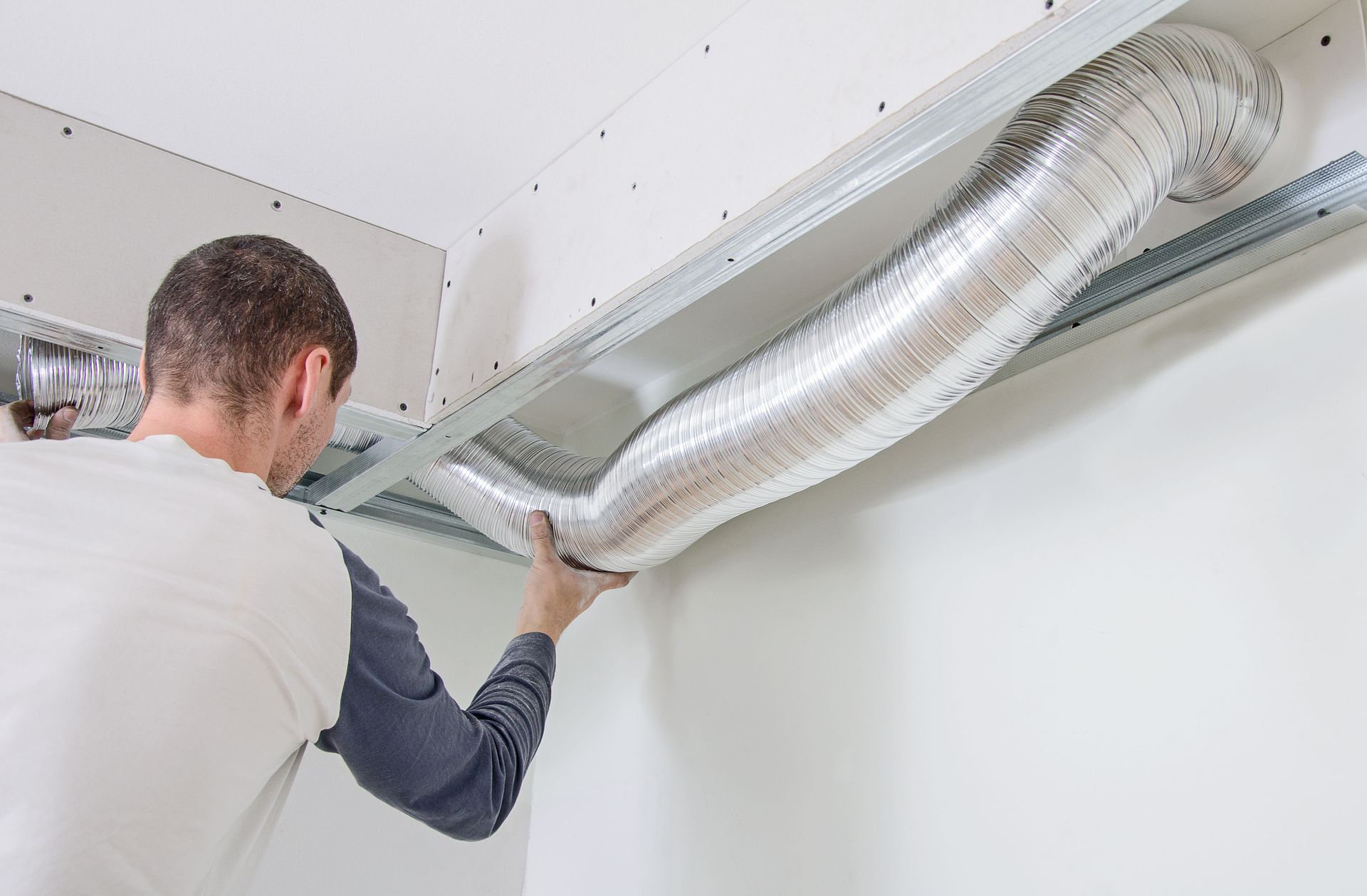
Professionals also determine heat pump capacity, evaluate ductwork compatibility, and plan integration with existing mechanical equipment. Proper sizing and engineering help prevent unnecessary energy consumption while maintaining comfortable indoor temperatures throughout changing seasons.
Manage Installation Quality and Safety
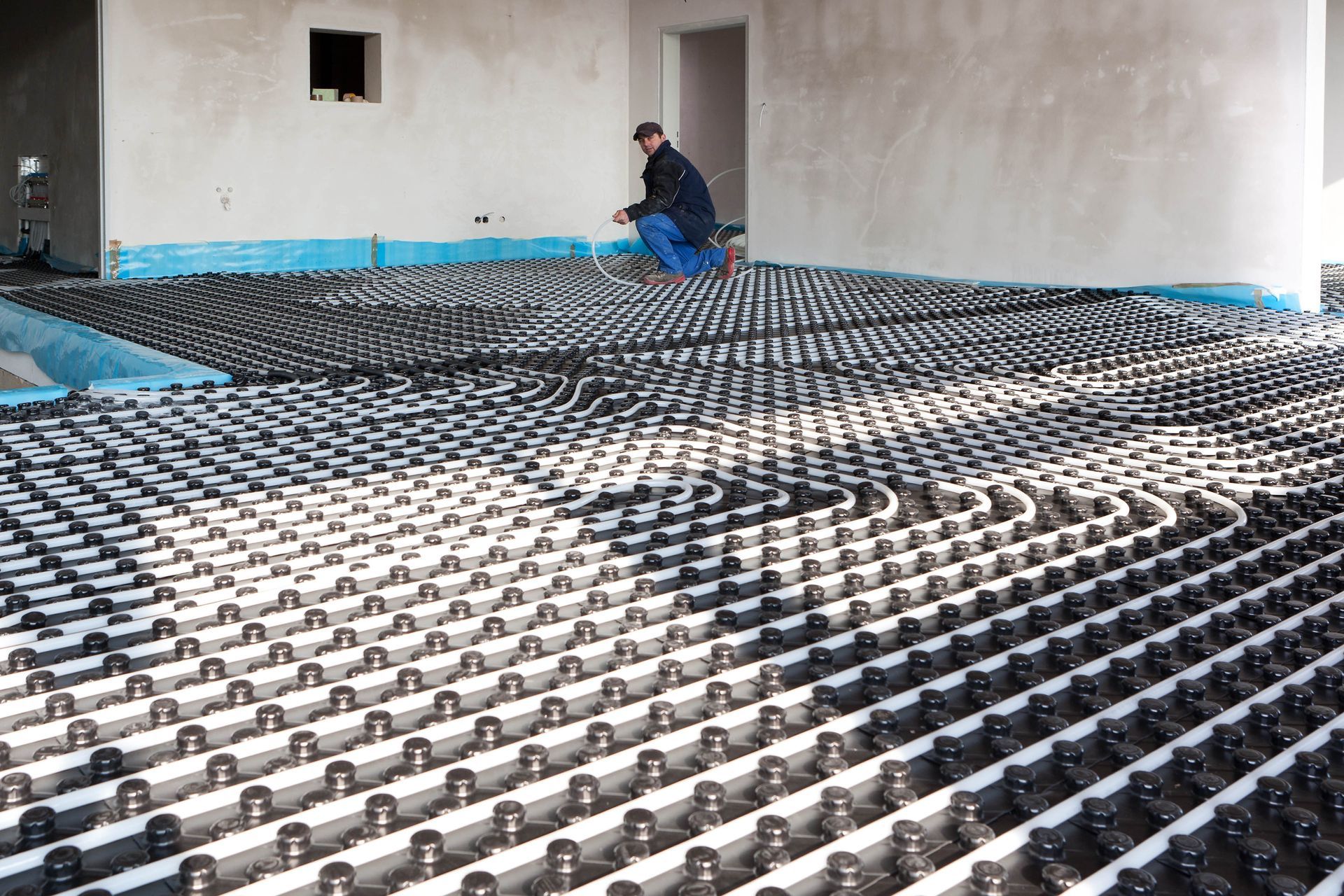
Geothermal installation involves coordinated activities, including excavation or drilling, loop placement, heat pump installation, and mechanical and electrical connections. Qualified professionals oversee these stages to ensure components are installed according to design specifications and applicable codes.
Site-specific challenges, such as rocky ground, restricted access, and groundwater concerns, may require adjustments to installation methods. Careful planning helps address these obstacles while protecting surrounding property and minimizing environmental disruption.
Safety measures are essential throughout the process. Proper drilling practices, secure equipment handling, and appropriate protection of groundwater resources help reduce installation risks. Before commissioning, technicians test system operation, inspect connections, and verify that controls function correctly.
Reduce Operating Costs and Environmental Impact
Geothermal systems can help buildings reduce electricity consumption and dependence on conventional heating fuels. Their efficiency may lower monthly utility bills while reducing emissions associated with energy use.
Unlike combustion-based heating equipment, geothermal heat pumps do not burn fuel inside the building to provide heat. They transfer thermal energy instead, supporting efficient indoor climate control. Their environmental benefits depend partly on electricity sources, system design, and operating conditions.
Property owners should evaluate projected savings against upfront costs, financing, maintenance, and available incentives. A realistic financial assessment provides a clearer picture of payback periods and long-term value without assuming identical results for every building.
Optimize Performance Through Monitoring and Maintenance
Installation is only the beginning of effective geothermal system management. Regular performance monitoring helps building managers identify unusual energy consumption, declining efficiency, and potential equipment problems.
Modern monitoring tools can track temperatures, operating cycles, energy use, and other performance indicators. Smart controls may adjust operation to changing occupancy and heating or cooling demands, reducing unnecessary energy use while maintaining comfort.
Routine maintenance includes inspecting heat pumps, checking fluid circulation, examining electrical connections, and reviewing system controls. Geothermal system installation companies can establish maintenance schedules and help owners understand operating guidelines. Timely servicing supports dependable performance and helps protect the system's long-term investment value.
Integrate Geothermal Technology With Existing Infrastructure
Geothermal systems can support new construction and selected building renovation projects. In existing properties, successful integration requires evaluating current heating and cooling equipment, ductwork, electrical capacity, and available installation space.
Professionals coordinate with mechanical engineers and construction teams to determine which components can remain and which require modification. In some buildings, geothermal heat pumps can work alongside supplemental heating equipment or other energy technologies to meet peak demands.
Combining geothermal systems with solar power, efficient building envelopes, and smart energy management can further support sustainability objectives. A coordinated approach allows property owners to improve overall energy performance rather than treating heating and cooling as isolated systems.
Prepare for Emerging Technologies and Incentives
Advances in drilling methods, heat exchange materials, monitoring software, and system controls continue to improve geothermal technology. Hybrid energy designs can also combine geothermal heating and cooling with solar generation or other renewable resources.
Building owners should evaluate new technologies according to project needs, expected performance, and lifecycle costs rather than relying on novelty alone. Professional guidance helps identify suitable options and avoid unnecessary complexity.
Financial incentives may improve project affordability, but eligibility varies by location, building type, ownership structure, and current regulations. Property owners should verify applicable tax credits, grants, and utility rebates before incorporating them into financial projections. Experienced geothermal system installation companies can help identify relevant programs and coordinate technical requirements during project planning.
Improve Building Value and Occupant Comfort
Geothermal systems can contribute to a building's long-term value by improving energy performance, supporting consistent indoor temperatures, and reducing reliance on conventional heating and cooling equipment. For commercial property owners, these advantages may make a building more attractive to tenants seeking comfortable spaces and manageable utility expenses. Residential property owners can also benefit from quieter operation and dependable year-round climate control.
Proper humidity management and consistent temperature regulation can further improve indoor comfort when the geothermal system is correctly designed and integrated with ventilation equipment. However, overall indoor air quality also depends on adequate ventilation, filtration, and regular maintenance.
Experienced geothermal system installation companies help property owners evaluate these benefits during project planning. By considering occupant needs, building efficiency goals, and future operating expenses, professionals can recommend solutions that align with the property's intended use. This comprehensive approach helps create comfortable, energy-efficient buildings while supporting long-term performance and investment value.
Geothermal technology offers building owners an opportunity to improve energy efficiency, reduce operating expenses, and support long-term sustainability. Achieving these benefits depends on accurate site assessments, thoughtful engineering, quality installation, and consistent performance monitoring. When these elements work together, geothermal systems can provide dependable heating and cooling while helping buildings meet evolving energy goals.
Working with qualified geothermal system installation companies helps ensure that each project reflects its site's geological conditions, building requirements, and financial objectives. From selecting an appropriate ground loop to optimizing system controls, professional expertise can make a meaningful difference in performance and reliability.
For professional guidance on your next geothermal project, contact Geotek Home Services LLC. Their team can help you explore geothermal options, assess your building's needs, and plan an installation focused on efficiency and lasting value. Take the next step toward lower energy consumption and a more sustainable building by scheduling a consultation today.