By Jon Timbal
September 29, 2026
When a heating system struggles to keep a home comfortable, attention often turns immediately to the furnace, heat pump, thermostat, or other major equipment. While these components certainly deserve careful evaluation, they are only part of the system responsible for delivering warmth throughout a home. Ductwork plays an equally important role because it carries conditioned air from the heating equipment to individual rooms.
A professional Heating repair service should therefore consider how well the duct system is performing alongside the heating equipment itself. Problems within ducts can create symptoms that resemble equipment failures, including uneven temperatures, weak airflow, longer operating cycles, and difficulty maintaining thermostat settings. Evaluating the entire system can help technicians identify the actual source of a performance problem rather than focusing exclusively on the heating unit.
Ductwork can also influence how homeowners experience comfort from room to room. Even when heating equipment produces sufficient warm air, damaged or poorly connected ducts may prevent that air from reaching its intended destination efficiently. Looking at the distribution system provides a more complete picture of heating performance.
Identifying How Duct Leaks Affect Heating Performance
Air leaks are among the duct-related issues that can interfere with heating performance. Connections between duct sections may loosen, sealing materials can deteriorate, and physical damage can create openings that allow heated air to escape before reaching living spaces. When this happens, the heating equipment may continue operating even though some rooms remain uncomfortable.
Including ductwork in a Heating repair service allows technicians to determine whether lost airflow is contributing to the symptoms that prompted the repair call. Without this evaluation, homeowners may assume that the heating equipment is not producing enough warmth when the real problem involves how that warmth is being distributed.
The efficiency implications can also be substantial. According to ENERGY STAR’s current 2026 HVAC guidance, poorly sealed duct systems can cause up to a 30% loss in efficiency. This highlights why duct condition deserves attention when heating-system performance is being investigated. Escaping conditioned air can force equipment to work harder to achieve the temperature requested at the thermostat, potentially increasing energy use while reducing comfort.
Recognizing How Airflow Problems Affect Home Comfort
Proper airflow is essential for a heating system to distribute conditioned air effectively. When airflow becomes restricted or unbalanced, some areas of a home may receive plenty of warm air while others receive noticeably less. Homeowners may respond by increasing the thermostat setting, but that does not necessarily address the underlying distribution problem.
A comprehensive Heating repair service can examine whether airflow concerns originate within the heating equipment or farther along the duct system. Restrictions, damaged sections, poorly configured connections, or other duct conditions can affect how easily air travels throughout the home. Identifying these concerns helps technicians understand why certain rooms may feel consistently colder than others.
Airflow issues can also affect how the heating equipment operates. A system designed to move air through a particular distribution network may behave differently when airflow is restricted. Rather than viewing comfort problems as isolated equipment symptoms, technicians can evaluate the interaction between the heating unit and the duct network that supports it.
Evaluating How Duct Damage Affects System Operation
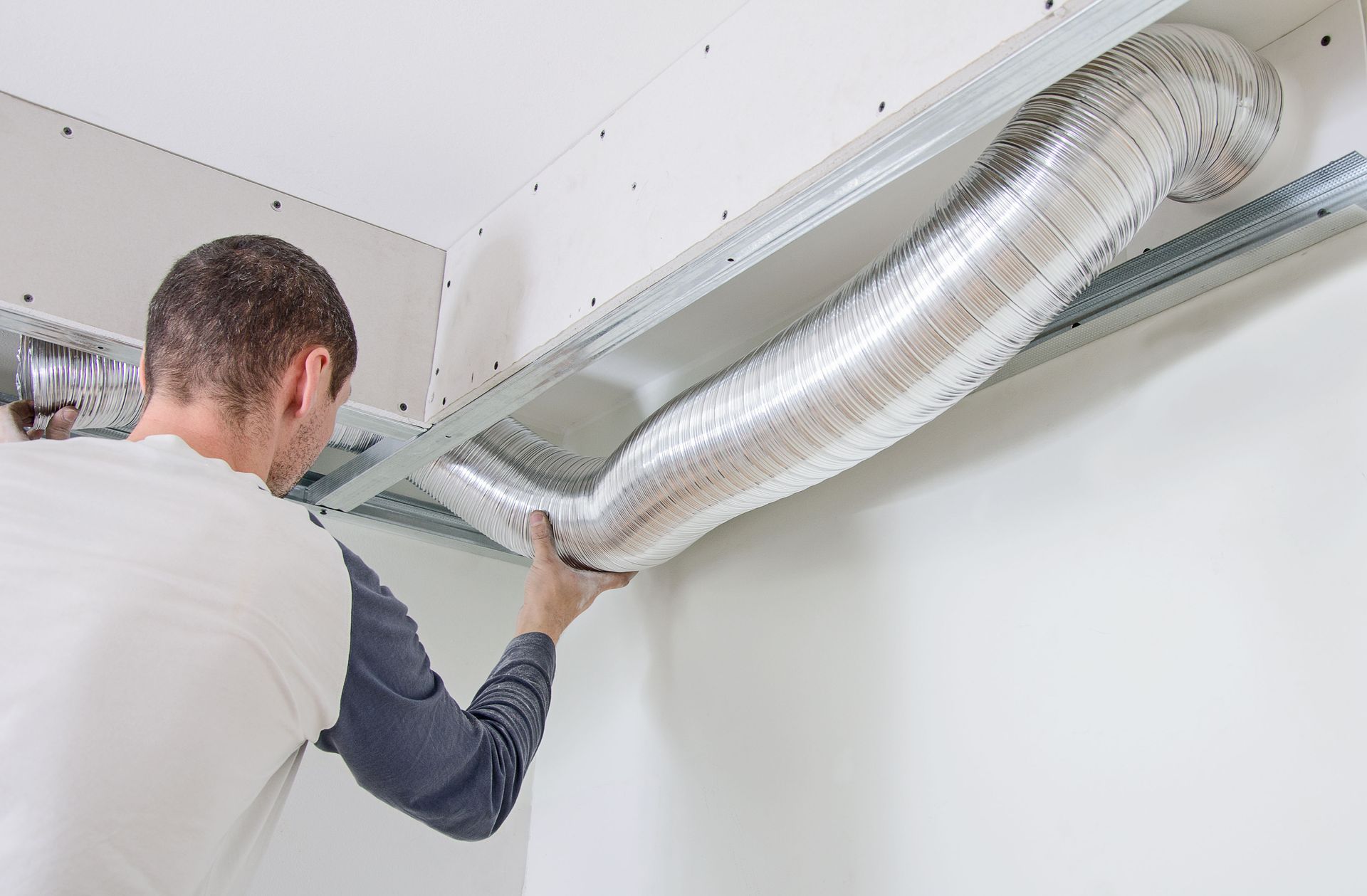
Ductwork is often hidden in attics, crawl spaces, walls, ceilings, or other areas homeowners rarely see. Because of this, physical damage can remain unnoticed until heating performance changes. Sections may become disconnected, crushed, punctured, or otherwise compromised, affecting the path conditioned air follows through the home.
During a Heating repair service, evaluating accessible ductwork can provide useful information about whether physical damage is contributing to system problems. A disconnected section, for example, may send heated air into an unconditioned space instead of a bedroom or living area. The heating equipment may continue functioning, but the household experiences poor comfort because the distribution network is compromised.
Damage can also create inconsistent airflow patterns. One branch of the duct system may perform normally while another delivers significantly less conditioned air. Understanding these differences can help technicians distinguish between problems originating at the heating equipment and those occurring after the air leaves the unit.
Examining How Ductwork Influences Energy Use
Heating efficiency involves more than how effectively the primary equipment converts or transfers energy into heat. The system must also deliver that heat where it is needed. If conditioned air is lost along the way, some of the energy used to heat it does not contribute effectively to indoor comfort.
For this reason, a Heating repair service that considers duct condition can provide a broader assessment of system efficiency. A furnace or heat pump may appear to operate correctly while still running longer than expected because conditioned air is escaping or failing to reach certain areas. Examining both production and distribution helps explain why energy consumption and comfort may not align with expectations.
Duct issues may become especially noticeable during periods of greater heating demand. As the system operates more frequently, ongoing air loss or distribution problems can have a greater effect on comfort. Addressing the underlying cause rather than concentrating solely on the heating unit can help support more consistent system performance.
Determining How Ductwork Affects Temperature Balance
Uneven temperatures are a common reason homeowners begin questioning their heating systems. One room may feel comfortable while another remains chilly despite sharing the same thermostat setting. Differences in insulation, windows, room orientation, and other building characteristics can contribute to these variations, but ductwork should also be considered.
A thorough Heating repair service can investigate whether the distribution system is contributing to temperature imbalance. Air may not be reaching every area with the same effectiveness because of leaks, restrictions, damaged ducts, or other airflow concerns. Recognizing these factors can prevent an incomplete diagnosis that focuses only on the heating appliance.
Temperature imbalance can also affect how occupants use the home. Certain rooms may become uncomfortable during colder weather, prompting changes in thermostat settings that influence conditions elsewhere. Understanding how ductwork distributes heated air allows technicians to consider the home as an interconnected comfort system rather than treating each symptom independently.
Considering How Duct Conditions Can Complicate Diagnosis
Heating problems do not always have a single obvious cause. Weak airflow, frequent operation, inconsistent temperatures, and insufficient comfort can potentially result from several different conditions. Some originate within the heating equipment, while others involve thermostats, filters, ductwork, or interactions among multiple components.
Including duct evaluation as part of Heating repair service helps reduce the possibility of overlooking an important contributor. If a technician repairs an equipment issue without recognizing significant duct leakage or damage, the homeowner may continue experiencing some of the same comfort concerns afterward. A broader evaluation can reveal whether multiple factors are affecting performance simultaneously.
This whole-system perspective is particularly valuable because heating equipment and ductwork depend on each other. The equipment generates or transfers heat, while the duct network carries conditioned air throughout the home. Effective operation requires both portions of the system to perform their respective roles.
Supporting Better Heating Performance Through Complete Evaluation
A heating system should be evaluated as more than an individual appliance. Furnaces, heat pumps, thermostats, filters, vents, and ductwork work together to maintain indoor comfort. When one part of that network is compromised, symptoms may appear elsewhere, making accurate diagnosis especially important.
Professional heating repair service should account for the relationship between heating equipment and air distribution. Checking duct condition can help identify leaks, restrictions, physical damage, and other issues that may contribute to weak airflow, uneven temperatures, extended operation, or unnecessary energy use. This broader approach can provide homeowners with a clearer understanding of what is affecting their system.
Ultimately, checking ductwork during heating repairs supports a more complete assessment of household comfort. Instead of assuming every heating concern originates inside the primary equipment, technicians can examine how conditioned air moves from the system to the rooms where it is needed.
Choosing Professional Support for Heating System Concerns
When heating performance declines, understanding both the equipment and its distribution network can make a meaningful difference in identifying the source of the problem. At Geotek Home Services LLC, we can evaluate heating concerns with attention to the components that work together to keep conditioned air moving throughout your home. Contact us to discuss your heating concerns and arrange professional service.